

Did you know the average adjustable base weighs over 150 pounds? Relocating this piece of sleep furniture is a major task. It requires a solid plan to protect your investment and your back.
Your premium memory foam mattress is sensitive. Extreme temperatures during transport can affect its structure. Handling it with care is non-negotiable for preserving its comfort.
The mechanical base itself is complex and heavy. A haphazard approach risks damage to the unit and injury to you. Proper preparation turns a daunting project into a manageable one.
Our website is built to guide you. We provide clear information for customers facing this challenge. Your privacy and overall experience are our top priorities throughout the process.
If you have questions, we’re here to help. The goal is a successful transition to your new home. Your perfect night’s rest should follow you wherever you go.
Key Takeaways
- The adjustable base is very heavy and requires careful planning to move safely.
- Tempur-Pedic memory foam mattresses are temperature-sensitive and need gentle handling.
- Protecting both the mattress and base during transit preserves your comfort investment.
- Professional movers or a dedicated helper is highly recommended for this task.
- Prepare the new room space in advance for a smoother setup process.
- Always consult the manufacturer’s guidelines or website for specific moving instructions.
- Proper reassembly ensures your sleep system functions correctly in your new home.
Understanding Your Tempur-Pedic Adjustable Bed Frame
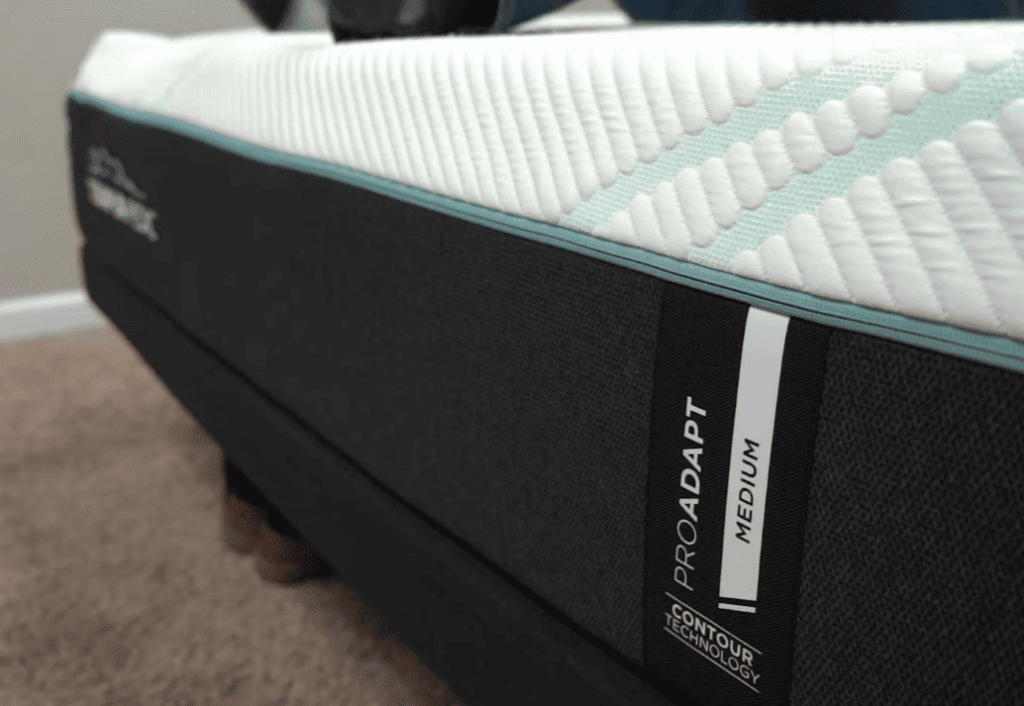
The foundation of your sleep system consists of two primary elements: a responsive memory foam mattress and a powerful adjustable base. Knowing what makes up your setup is the first step in any relocation process.

Key Components and Features
Your adjustable base is a heavy piece of furniture. A queen size model weighs about 225 pounds. The mattress adds another 102 pounds.
Inside the base are electronic components and motors. These require gentle handling. Always check the manufacturer’s manual for specific instructions.
Detaching the legs is often necessary. This protects the unit’s internal structure during transit. Proper support is key to avoiding damage.
Understanding the Integrated Base and Slatted Frame Setup
Many Tempur-Pedic bases are zero-clearance approved. This means you can place the mattress directly on the floor. It also works on a platform bed.
Removing the legs simplifies integration into a new room setup. This feature offers great flexibility for your home. It helps maintain the system’s comfort.
Your owner’s manual has all this information. Reviewing it ensures a smooth experience. You protect your investment and your rest.
how to move a tempur-pedic adjustable bed frame
Your mattress and base represent a significant comfort investment. Protecting them starts with the manufacturer’s playbook. A smooth process relies on two things: following official rules and planning for typical snags.
Manufacturer Guidelines and Considerations
Always begin by unplugging all cables and storing the remote controls. This simple step helps prevent damage to electronic components.
Consult your owner’s manual for specific instructions. A key rule is to never fold or bend the memory foam mattress. This protects its internal structure.
Encase the mattress in a sturdy plastic bag before transportation. This cover shields it from dirt and moisture. Recruit at least two people for safe handling.
Common Challenges and How to Overcome Them
The sheer weight is a primary hurdle. Use moving straps to distribute the load evenly. This provides crucial support when lifting.
Wrap the entire base with moving blankets. This buffers the frame and your vehicle‘s interior from scrapes.
Secure any removable legs to avoid losing parts. Once loaded, driving with care is essential. Sudden stops can shift the load and cause damage.
When in doubt, the official guidelines are your most reliable source for a safe transition.
Preparing for a Safe and Efficient Move
Before you lift a single component, assembling the right gear is crucial. This phase turns a chaotic effort into a controlled operation. Your goal is to shield every piece from harm.
Taking the time to plan pays off in comfort later. A methodical start ensures your bed arrives ready for rest.
Disassembling and Protecting Components
Always begin by unplugging the unit and securing all cables. This simple step is your first defense against electrical damage. Refer to your owner’s manual for specific instructions.
Detach the legs using a wrench or screwdriver. Place all bolts and screws into a labeled bag. This organization is a lifesaver during reassembly at your new location.
Wrap the entire base with thick moving blankets. This cover buffers the frame from dings during transportation. For your mattress, a dedicated plastic bag is non-negotiable.
Proper preparation protects the internal structure and your peace of mind.
Gathering the Right Tools and Support
Your toolkit should include a wrench, screwdriver, and furniture blankets. A dolly or hand truck is essential for managing the size and weight. This equipment helps prevent damage to your floors and the unit.
Never attempt this task alone. Recruit at least two strong people to help. The combined weight of the base and mattress demands significant support.
Load the wrapped base onto the dolly carefully. Secure it in your vehicle to avoid shifting. These tips ensure safe handling from your old room to the new one.
Our site offers detailed information for customers with questions. Following these instructions safeguards your bedding investment for years of future comfort.

Transporting and Setting Up Your Bed Frame in the New Home
Arriving at your new home with your premium mattress and base intact is a rewarding milestone. This final moving phase needs careful transportation and setup. The process safeguards your comfort investment and your bed performance.
Loading and Securing in the Vehicle
Select a van or truck for this job. A car’s backseat is typically too small for these large bases.
Load the wrapped base first. Use moving straps to anchor it firmly inside your vehicle. This prevents sliding during driving.
Tips for safe transit include smooth acceleration. Always double-check the load’s security in your vehicle to avoid damage. Your mattress, inside its protective bag, must lie flat.
Post-Move Inspection and Acclimatization
At your new location, unload the base and move it to the designated room. Remove the plastic bag from your mattress.
Let it breathe in a well-ventilated space. Inspect both the mattress and base for any signs of harm. Verify all components function correctly.
Reconnect all cables to the base. Test the adjustable features right away. This confirms the process was successful.
Allow your mattress several hours to regain its shape. This time is crucial for optimal comfort. High-quality mattresses need this acclimatization for perfect bed support.
Our website uses cookies to enhance your experience. We provide this information to assist customers with any questions. Your privacy is always respected on our site.
Conclusion
With careful planning and execution, your investment in quality rest arrives safely at its destination. Following the correct safety and handling guidelines makes this moving process entirely manageable.
Protecting your mattress and base during transit is crucial. It ensures your long-term comfort and sleep quality remain uncompromised.
Always consult the manufacturer manual if you have any questions about structural integrity. Proper preparation and the right equipment are the keys to success.
We hope this guide helps you transition with confidence. Your mattresses will stay in perfect condition for years of relaxing nights.